


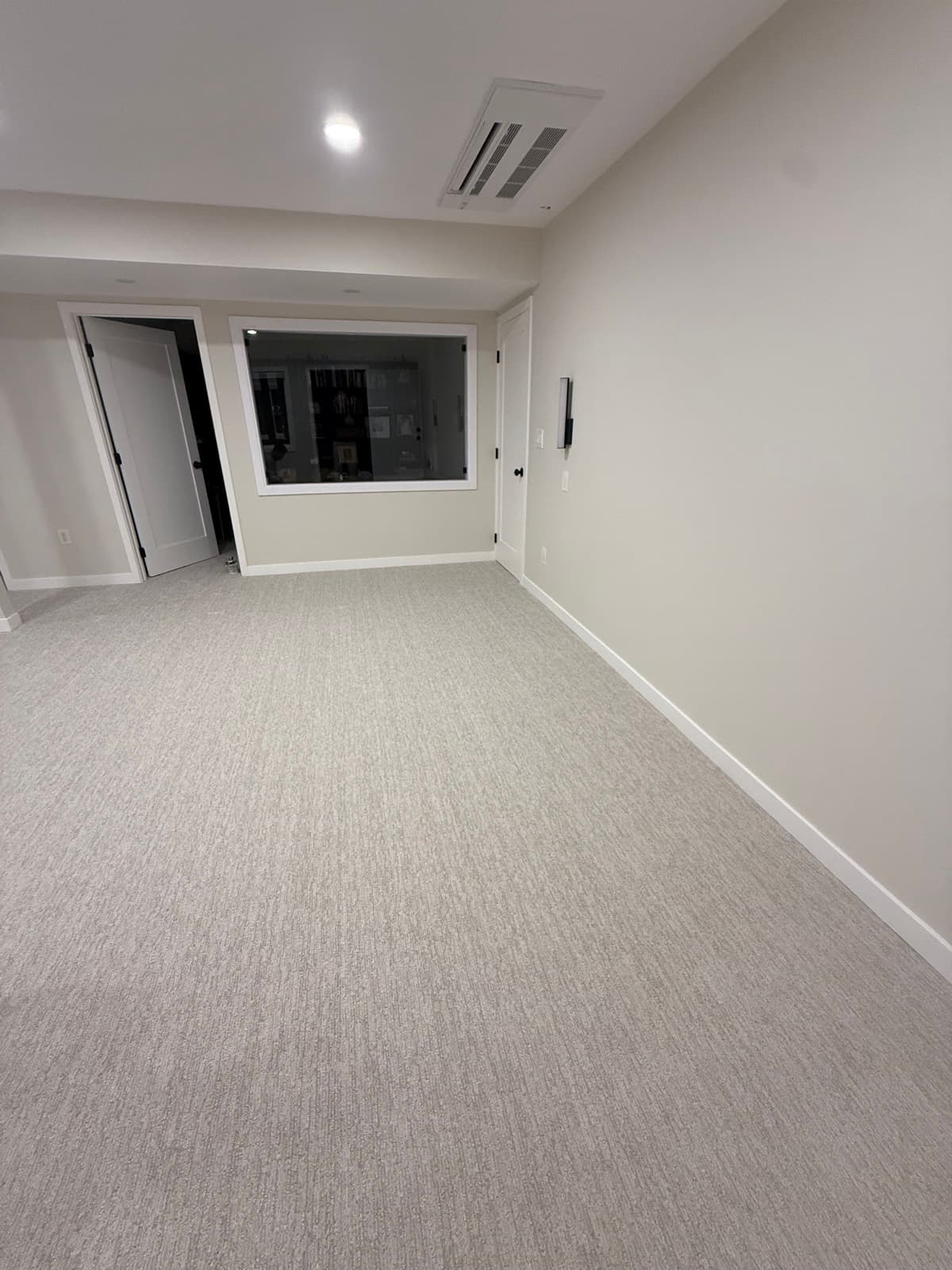
Basement ADU
Basement ADU conversions for Seattle and the Eastside.
Convert an existing basement into a legal Accessory Dwelling Unit. Faster and cheaper than building new. Same legal status as DADU under HB 1337.
Written by Aharon Elisha, founder of MNBE Construction & Development. WA license MNBECCD770R9. Updated 2026.
An ADU under your existing house.
A basement ADU is a legal accessory dwelling unit created by converting existing below-grade space. Separate entry, full kitchen, full bath, code-compliant ceiling height, egress windows, ventilation. Same legal status as a DADU under HB 1337. Counts toward the two-ADU-per-lot allowance.
Most Seattle homes built before 1985 have basements that started as storage or laundry space. Many of them can be converted into legal ADUs with the right code work. The economics are strong: foundation already exists, walls already exist, roof already exists. The work is interior framing, plumbing, electrical, finishes, plus the egress windows and separate entry.
What the city requires for a legal basement ADU.
Minimum ceiling height
7 feet typical, 7.5 feet in living areas under WA Residential Code. Lower ceilings may require excavation, which adds cost and time. Some older Seattle basements at 6.5 feet require this.
Egress windows
Every bedroom needs a code-compliant egress window. Specific dimensions, sill height limits, and well requirements apply. Often requires cutting and reinforcing concrete foundation walls.
Separate entry
Either a stairwell with its own door or a code-compliant interconnecting door arrangement. Separate from the primary residence's main living spaces.
Full kitchen
Range, refrigerator, sink with food-grade plumbing. The unit has to function as an independent home, not as a converted rec room with a microwave.
Full bathroom
Toilet, sink, shower or tub. Code-compliant ventilation. Often requires running new plumbing depending on existing infrastructure.
Separate utilities path
Dedicated electrical subpanel sized for the second-unit load. Often a separate HVAC zone or unit. Water and sewer can be shared with proper sub-metering.
The ADU Family
Basement ADU vs the alternatives.
Frequently Asked
Basement ADU questions Seattle homeowners ask before they sign.
Six practical answers from a builder who has converted dozens of basements into legal ADUs. If yours is not here, call us.
Still have questions?
We answer the phone Monday through Saturday. Two minutes on the call usually gets you further than an hour online.
A basement ADU is a legal Accessory Dwelling Unit created by converting existing below-grade space into a self-contained second home. Separate entry (sometimes shared with a stairwell), full kitchen, full bath, code-compliant ceiling height, egress windows, ventilation. Same legal status as a Detached ADU under HB 1337 and city codes. Counts toward the two-ADU-per-lot allowance.
No. Three key requirements: ceiling height (most cities require 7 feet minimum, 7.5 feet in living areas), egress windows in any bedroom (specific dimensions and well requirements), and a path for separate utilities (electrical subpanel, gas if applicable). Older basements with low ceilings, no windows, or shared mechanicals may need significant modification or may not qualify at all. We assess feasibility before any design work begins.
Up to 1,000 sq ft typically, same as DADU/AADU. Most Seattle basements are smaller than that, so the practical answer for most projects is 'as large as the existing basement.' Some homeowners bump out a small portion of the basement during the conversion to gain a bedroom or a kitchen footprint, which gets handled with the same permit.
4 to 7 months from signed contract to certificate of occupancy for a typical Seattle basement ADU. The breakdown is roughly 3 to 4 weeks of design, 2 to 3 months of plan-check at Seattle DCI, and 2 to 4 months of construction. Faster than DADU because we are working inside existing framing and foundation. Eastside cities can compress further.
Basement ADUs typically run 30 to 50 percent less than a comparable DADU because the foundation, walls, roof, and primary utility infrastructure already exist. The variables that move the bid most are: existing ceiling height (low ceilings may require excavation), egress window scope (cutting concrete for new wells), waterproofing condition (older basements often need remediation), and the new mechanical system (separate HVAC, separate water heater, dedicated electrical).
Yes to both. Insurance: most carriers require notification when you add a legal second dwelling. Premium typically goes up modestly. Property taxes: the new finished living area increases your assessed value, which raises your tax bill. The combined increase is almost always smaller than the rental income the unit generates. We walk through the math during the consultation.
Start Your Build
Tell us about your project.
Contact information
Thank you for considering MNBE for your project. We'll get back to you during normal business hours, Monday through Saturday.