


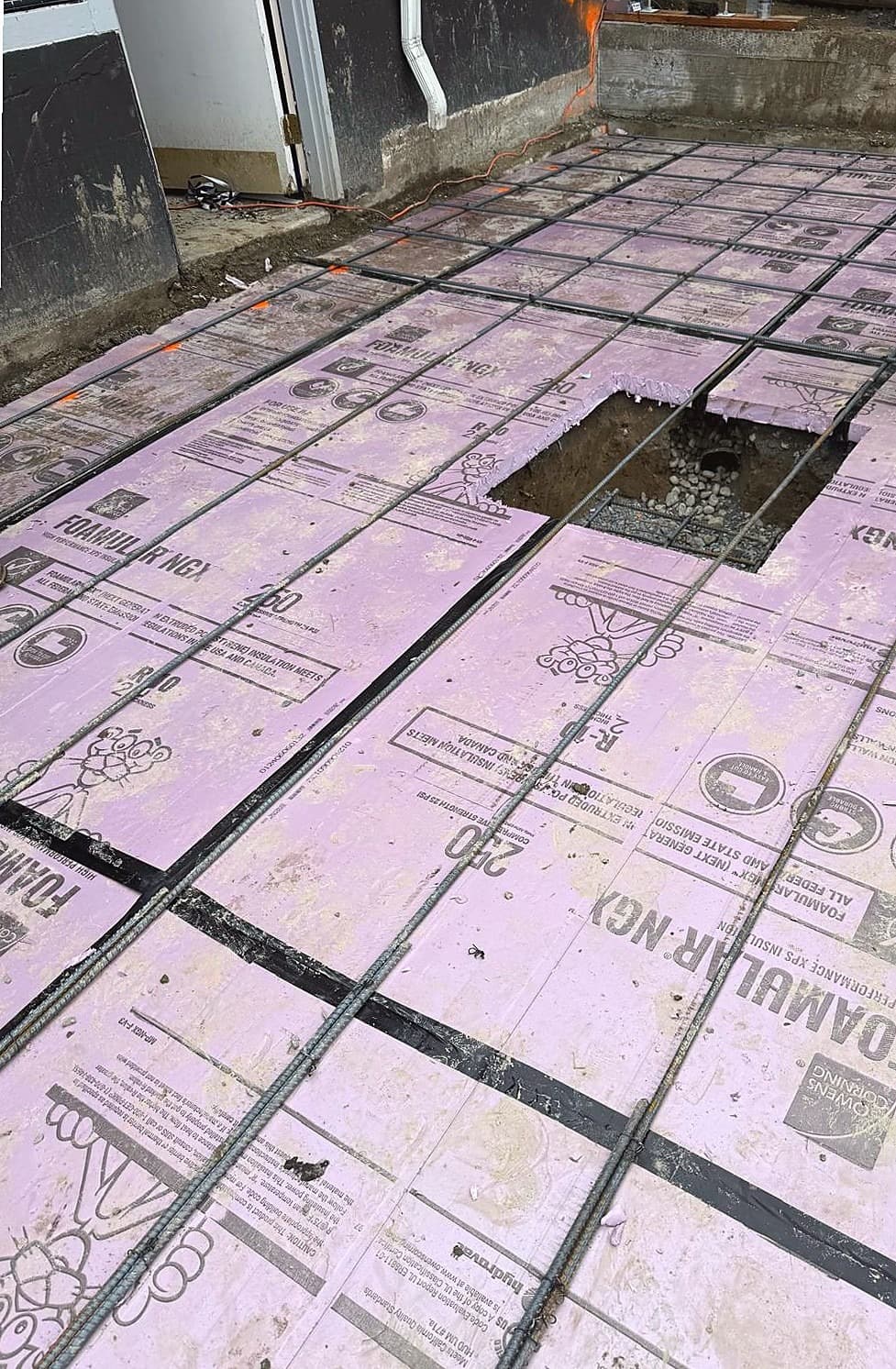
Feasibility
ADU feasibility studies for Seattle and the Eastside.
A 1 to 2 week written analysis of your lot's zoning, setbacks, critical areas, HB 1337 eligibility, and utility capacity. Tells you whether an ADU is buildable before you spend a dollar on design.
Written by Aharon Elisha, founder of MNBE Construction & Development. WA license MNBECCD770R9. Updated 2026.
Buildable or not, in writing, in 1 to 2 weeks.
An ADU feasibility study is a written analysis that tells you whether your lot can support an Accessory Dwelling Unit before you commit to design. Zoning, setbacks, critical areas, HB 1337 eligibility, utility capacity, all in one report with a clear go or no-go recommendation.
Without it, the failure mode is paying $8,000 to $15,000 for architectural design on a lot that cannot finish a permit. The feasibility study costs nothing for clients we expect to build with, and a flat fee for feasibility-only engagements. Either way, you own the report regardless of who builds.
Eight items in every feasibility report.
The deliverable is the same on every project. We swap out the city codes and the lot details. Everything else is consistent so you can compare across consultants if you want.
Site visit observations
Photos and notes from a 60 to 90 minute site walk. Lot conditions, slope, vegetation, neighbor context, access for trucks and equipment.
Zoning code citations
The specific Seattle SMC or Eastside city code sections that apply to your parcel, with the actual language quoted so you can verify.
Setback diagram
A scaled drawing of your lot showing the legal buildable envelope after subtracting front, side, and rear setbacks.
Lot coverage math
Total square footage of your lot, current impervious surface, allowable maximum, and how much remaining coverage budget the ADU has to fit inside.
Height envelope
Maximum height the city allows for ADU on your zone. Existing tree-protection envelope. Daylight plane analysis if your jurisdiction enforces one.
Critical-area screening
Steep-slope, wetland, stream, geologic-hazard, and tree-retention review. We flag whether a critical-area study is required and estimate that scope if so.
HB 1337 eligibility
Specific application of HB 1337 to your lot. How many ADUs you are entitled to, what setback floors apply, parking exemption status, and any local rules that override.
Preliminary utility check
Existing electrical service capacity, sewer or septic verification, water service, gas if applicable. Red flags only at this stage; full engineering happens during design.
Not every lot needs a feasibility study.
Flat lots in standard residential zones with no complications can sometimes skip straight to schematic design. Lots with any of the following almost always need a feasibility study first.
Steep slopes or hillside
Slopes over 15 percent trigger geotechnical review in most cities. Foundation engineering depends on the answer.
Critical-area triggers
Wetland buffers, stream corridors, geologic hazards, fish-and-wildlife habitat. Each one limits what is buildable.
Mature tree canopy
Tree-retention rules can consume your buildable envelope. Some cities count root protection zones in setbacks.
Restrictive HOA covenants
CC&Rs drafted before HB 1337 may contain ADU bans. RCW 64.38 limits how those covenants can be enforced now, but the analysis is real work.
Tight urban lots
Setback envelope plus lot-coverage caps can shrink the buildable footprint below what a workable ADU needs.
Alley-access lots
Cities apply different setback rules when alley access is the entry. Worth confirming before drawings start.
Older homes (pre-1985)
Existing-home code upgrades may be triggered by the addition. We flag scope before you commit.
Septic-only lots
Adding a second dwelling unit on septic requires a capacity assessment. Sometimes the answer is sewer connection first.
Site visit to written report, four steps.
- Day 1
Phone screen
5 to 10 minute call to confirm your address, your goal (DADU vs AADU vs basement), and whether your lot has any of the complexity triggers from Chapter 03. We tell you whether feasibility is needed or whether you can skip ahead.
- Days 1 to 7
Site visit on your lot
60 to 90 minutes. Aharon walks the lot with you, takes photos, measures key dimensions, locates utility connections, observes neighbor context and access. You ask questions. We answer in plain English.
- Days 7 to 14
Written report drafted
We pull your parcel data from the city, run the zoning code, screen for critical areas, run the HB 1337 analysis, and compose the 8-item written report. Photos, citations, diagrams, recommendation.
- Day 14+
Report delivered + walkthrough
We send the PDF and schedule a 30-minute walkthrough call. Either go forward with design, take the report and use another contractor, or shelve the project. Your call.
"I have walked away from feasibility engagements where the honest answer was no. That is part of the job. The whole point of a feasibility study is to tell you the truth before you spend money you cannot get back."
Aharon Elisha · Founder, MNBE Construction & Development
After Feasibility
What feasibility leads to.
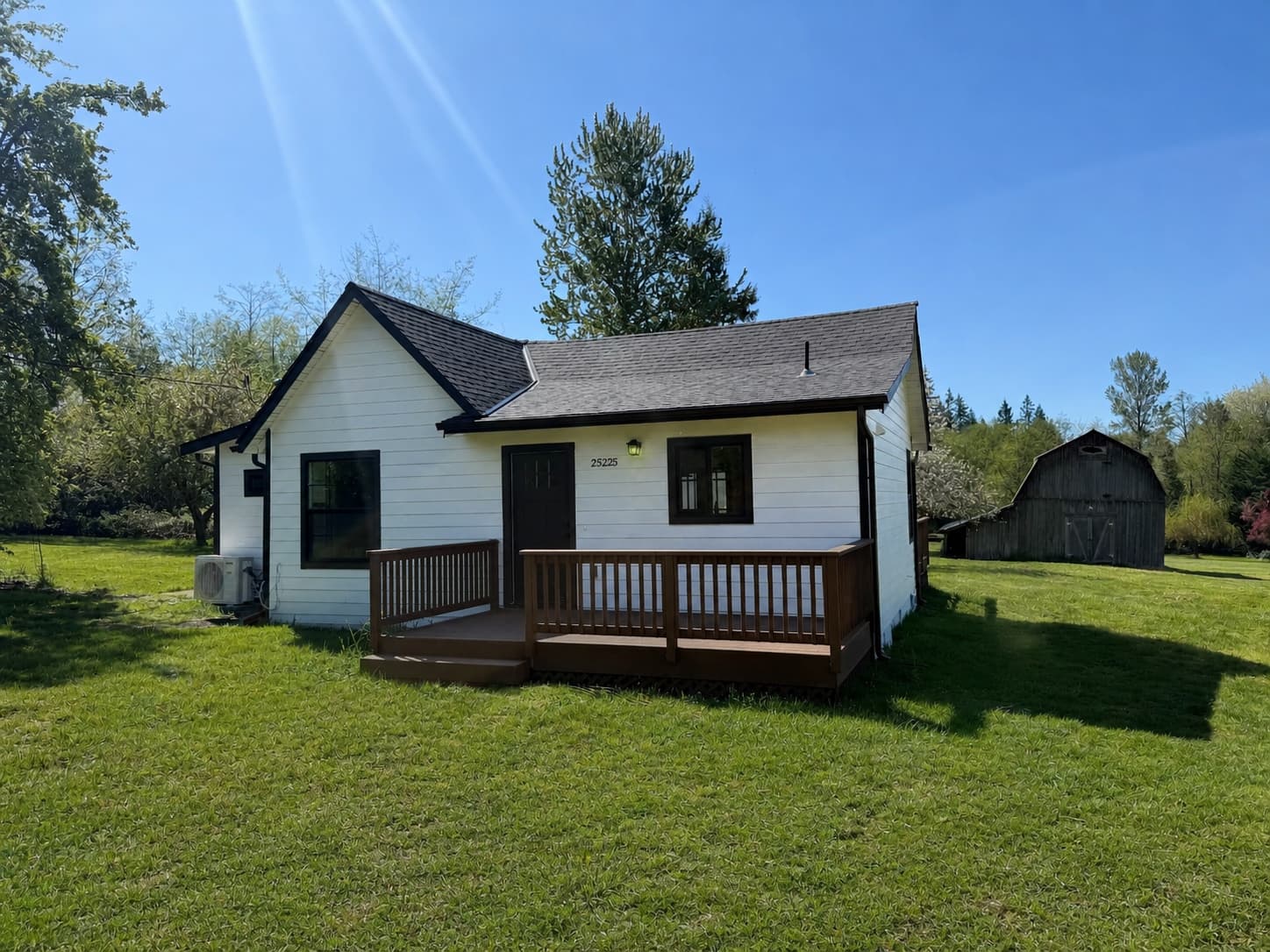
DADU
Detached ADU
If feasibility comes back positive on a freestanding ADU, this is what gets built.
See DADU →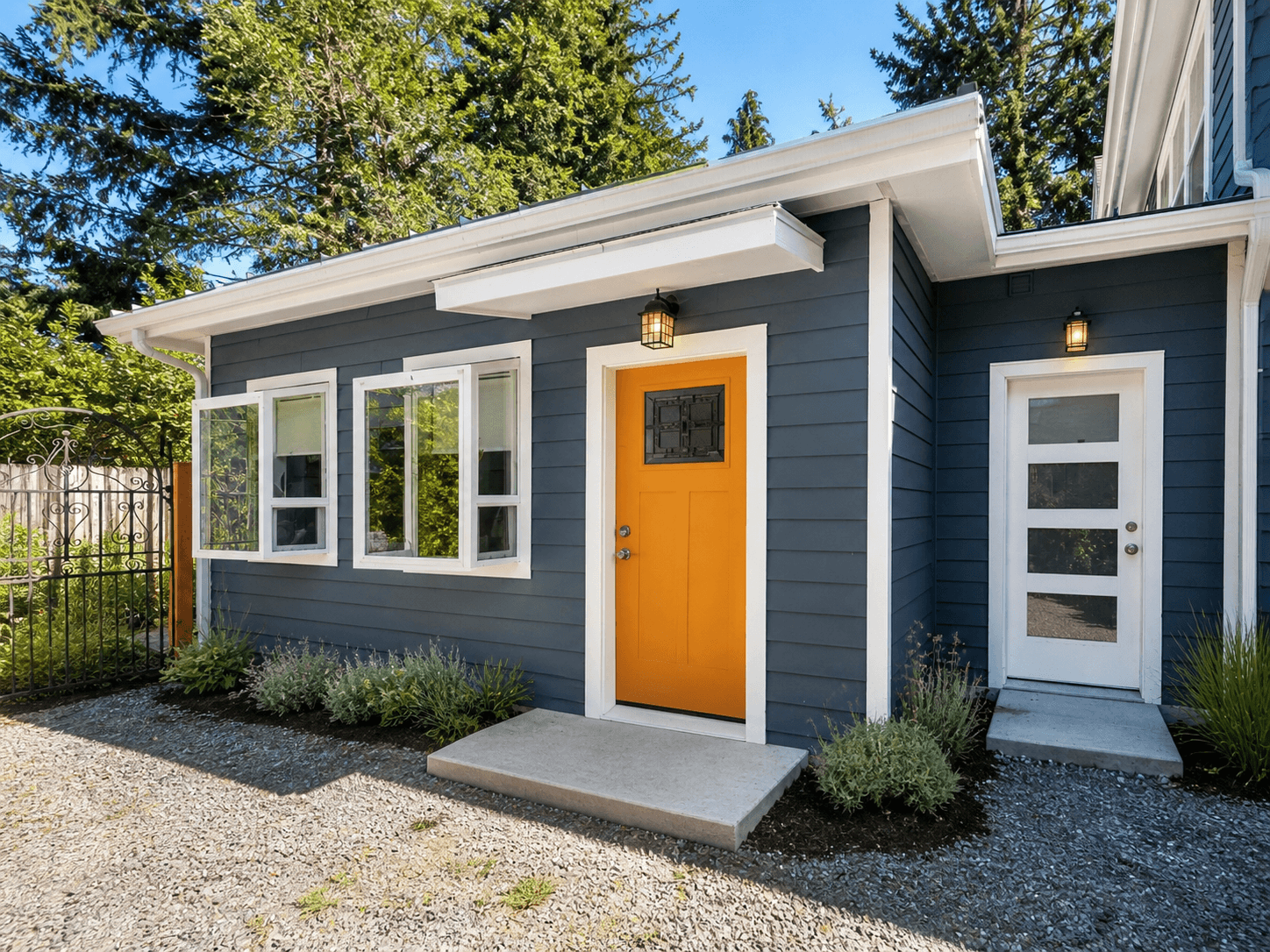
AADU
Attached ADU
When feasibility shows DADU is tight but an attached unit fits the buildable envelope.
See AADU →
The Law
HB 1337 Explained
The 2023 Washington law that determines what your lot can carry. Half the feasibility analysis runs through it.
Read the guide →Frequently Asked
Feasibility study questions Seattle homeowners ask before they sign.
Eight practical answers from a builder who runs feasibility studies every week. If yours is not here, call us. Two minutes on the phone usually clears it up.
Still have questions?
We answer the phone Monday through Saturday. Two minutes on the call usually gets you further than an hour online.
An ADU feasibility study is a written analysis that tells you whether your lot can support an Accessory Dwelling Unit before you commit to design. It pulls together your lot's zoning, setbacks, lot coverage caps, height limits, critical-area constraints, HB 1337 eligibility, and existing utility capacity into a single document with a clear go or no-go recommendation. The output is a permit-confidence answer in 1 to 2 weeks. Without it, you risk paying for architectural design on a lot that cannot finish a permit.
MNBE includes the feasibility visit and the written assessment free of charge for clients we expect to work with on the build. We do not charge for the analysis when there is a reasonable expectation that the project will move forward with us if buildable. For homeowners who want a feasibility-only engagement and intend to use a different builder, we charge a flat fee that varies by lot complexity. Either way, you get the same written deliverable.
1 to 2 weeks from the site visit to the written report. The site visit takes about 60 to 90 minutes on your lot. Then we run the zoning code, pull your parcel data from the city, screen for critical areas, and compose the written analysis. Complex lots with critical-area triggers or unusual easements can extend to 3 weeks because we coordinate with critical-area consultants when warranted.
If your lot has any complexity, yes. Flat lots in standard residential zones with no critical-area triggers and obvious utility access can sometimes skip straight to schematic design. Lots with steep slopes, mature tree retention, alley access, restrictive covenants, or unusual setback configurations should always get a feasibility study first. We tell you which category your lot falls into during a 5-minute phone call before scheduling the site visit.
Eight things: site visit observations with photos, applicable zoning code citations for your specific parcel, a setback diagram showing the buildable envelope, lot coverage math, height-limit envelope analysis, critical-area screening with recommendation for further study if needed, HB 1337 eligibility determination, preliminary utility capacity check, and a clear go or no-go recommendation with rationale. The report is yours regardless of whether you build with us.
Yes, partially. We do a preliminary utility capacity check during the visit by reading your existing electrical service, locating sewer cleanouts, and confirming water service. If we see red flags such as undersized panel, septic on a lot that needs sewer, or stormwater concerns, we flag them in the report. A definitive utility engineering analysis happens later in the design phase when needed. The feasibility study tells you whether utility issues are likely, not the full engineering answer.
We tell you in writing why and what alternatives exist. Sometimes a lot that cannot support a DADU can support an Attached ADU. Sometimes the right move is a basement conversion. Sometimes the answer is to wait for a city code update we can see coming. We have walked away from feasibility engagements where the honest answer was no, and we have helped homeowners pivot to a different ADU configuration that did pencil. The point of the analysis is to know before you spend more.
Yes. We do feasibility-only engagements as a flat-fee service. You get the same written report, the same zoning analysis, the same critical-area screening. The drawings and the report are yours. If you decide to build with another contractor, that is your call. We will hand off cleanly. About a third of our feasibility-only clients eventually come back to us for the build.
Start Your Build
Tell us about your project.
Contact information
Thank you for considering MNBE for your project. We'll get back to you during normal business hours, Monday through Saturday.