


Step One
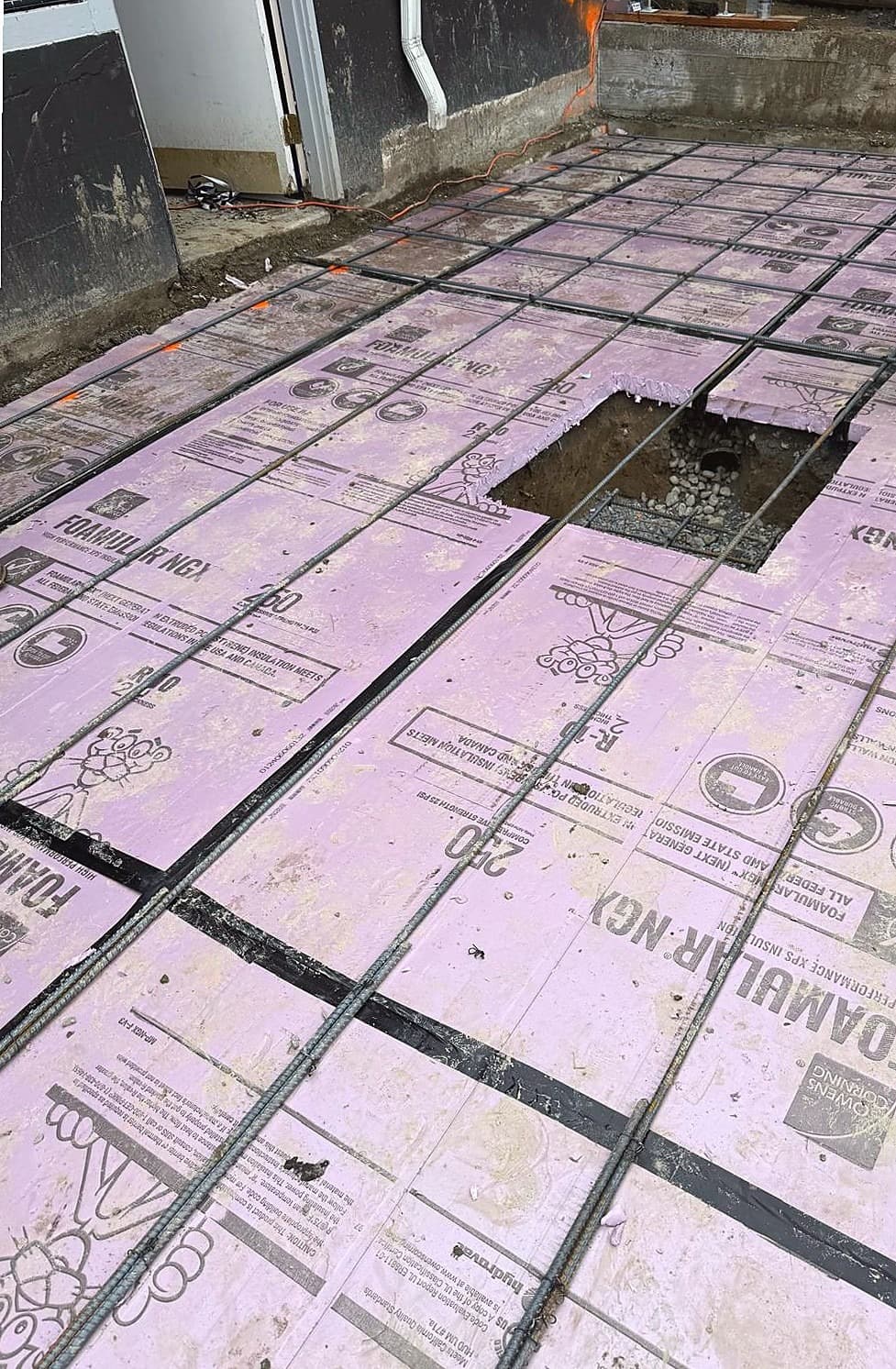
New construction site feasibility.
Written buildability analysis for custom home lots: zoning, soils, slope, utilities, critical areas, HB 1110 and HB 1337 application. 2 to 3 weeks. Tells you whether your lot supports the project before you commit to architectural design.
Written by Aharon Elisha, founder of MNBE Construction & Development. WA license MNBECCD770R9. Updated 2026.
The cheapest mistake-prevention you can buy.
A custom home is a 14 to 22 month commitment that runs into the high six figures or seven figures. The failure mode of skipping feasibility is paying $25,000 to $80,000 for architectural design and engineering on a lot that cannot finish a permit. Feasibility tells you in 2 to 3 weeks whether the project is buildable as you imagine it.
For lot shoppers, feasibility tells you whether to buy. For lot owners, feasibility tells you what to design. For developers considering middle housing under HB 1110, feasibility tells you how many units the lot supports. The deliverable is the same in each case: a written report with citations, diagrams, and a clear go or no-go recommendation.
Ten items in every new-construction feasibility report.
Site visit observations
Photos and notes from a 90-minute site walk. Topography, vegetation, neighbor context, equipment access.
Zoning code analysis
Specific Seattle SMC or Eastside city code sections that apply, with HB 1110 and HB 1337 overrides flagged.
Setback diagram
Scaled drawing of the buildable envelope after subtracting setbacks, easements, and critical-area buffers.
Lot coverage + height
Allowable building footprint and height envelope. Daylight-plane analysis if your jurisdiction enforces one.
Soils + slope assessment
Visual soil and slope assessment. Recommendation for geotechnical engineering if the lot warrants formal soils report.
Utility availability
Existing connections, capacity, and any infrastructure work needed to support the new building's load.
Critical-area screening
Steep-slope, wetland, stream, geologic-hazard, and tree-retention review. Flag for further study if needed.
HB 1110 + HB 1337 application
Specific state-law provisions that apply. How many units the lot supports. ADU eligibility.
Access + driveway analysis
Truck access, fire-truck turning radius requirements, driveway grade limits, and any city-specific access rules.
Go/no-go recommendation
Written conclusion: project is buildable as proposed, buildable with modifications, or not buildable. Rationale and alternatives if applicable.
Frequently Asked
Site feasibility questions Seattle homeowners ask before they sign.
Six practical answers from a builder who runs custom home feasibility every week. If yours is not here, call us.
Still have questions?
We answer the phone Monday through Saturday. Two minutes on the call usually gets you further than an hour online.
A site feasibility study is a written analysis that tells you whether your lot can support the new home you have in mind, before you commit to architectural design. It pulls together zoning code, setback envelope, lot coverage, height limits, soils and slope analysis, utility availability and capacity, critical-area screening, HB 1110 (middle housing) and HB 1337 (ADU) eligibility, and access constraints into a single document with a clear go or no-go recommendation. 2 to 3 weeks delivery.
New-construction feasibility is more comprehensive because the project is larger and the constraints more numerous. Custom home feasibility includes geotechnical scope review (when to commission a soils report), structural engineering preview (what the foundation needs to look like for these soils), more detailed utility engineering, and HB 1110 middle-housing eligibility analysis. ADU feasibility focuses on the smaller envelope an accessory dwelling occupies and HB 1337 specifically.
Free for clients we expect to engage for design and build. Flat fee for feasibility-only engagements where the homeowner intends to use a different builder. Either way, you get the same written deliverable. The fee scales with lot complexity (steep slopes, critical-area triggers, unusual easements add scope).
Steep slopes, fill soils, lots with prior septic or buried tanks, or lots in known soil-bearing problem areas often need a third-party geotechnical engineer. We coordinate that scope as part of feasibility, recommend appropriate engineers, and integrate the soils findings into the written report. Geotech costs are not included in the feasibility fee but we get you a fixed quote up front.
Yes. Lenders frequently want a buildability confirmation before closing on lot purchase or construction loans. Our written report serves that purpose. The report does not replace a formal appraisal but it tells the lender that an experienced builder has confirmed the lot supports the proposed project.
We do this regularly. Lot shoppers commission lighter-touch feasibility (often called a 'lot review') on each parcel they are considering, then run a full feasibility study on the one they choose. This avoids spending serious money on full analysis for lots that will not work. We scope this service to the actual decision you are making.
Start Your Build
Tell us about your project.
Contact information
Thank you for considering MNBE for your project. We'll get back to you during normal business hours, Monday through Saturday.