


Vacant Lot + Subdivision
Urban infill new construction.
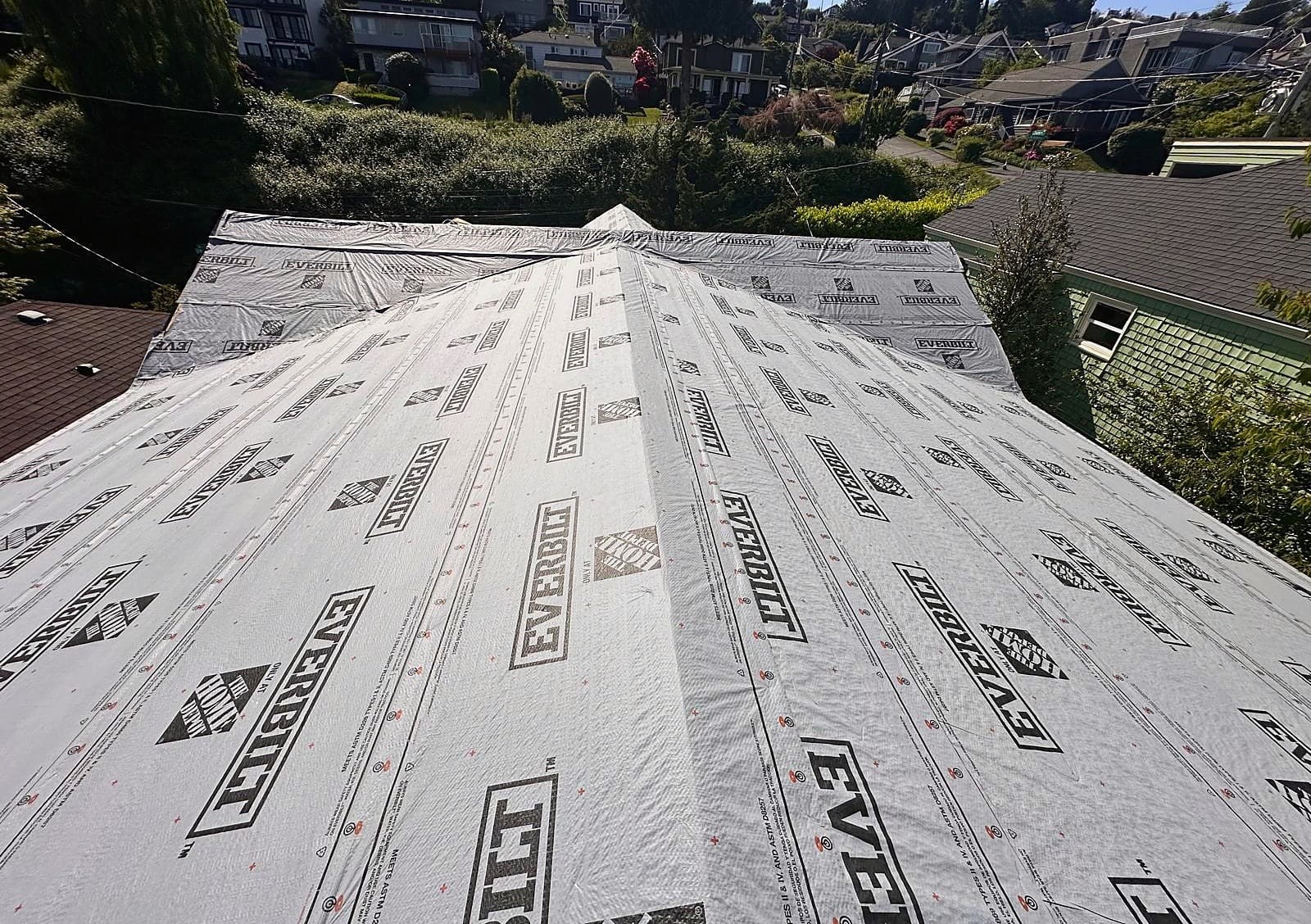
Building on vacant urban lots and subdivided parcels across Seattle, Bellevue, Kirkland, Redmond, and the Eastside. City-specific zoning expertise. Subdivision and short-plat coordination when applicable.
Written by Aharon Elisha, founder of MNBE Construction & Development. WA license MNBECCD770R9. Updated 2026.
Building inside an existing neighborhood.
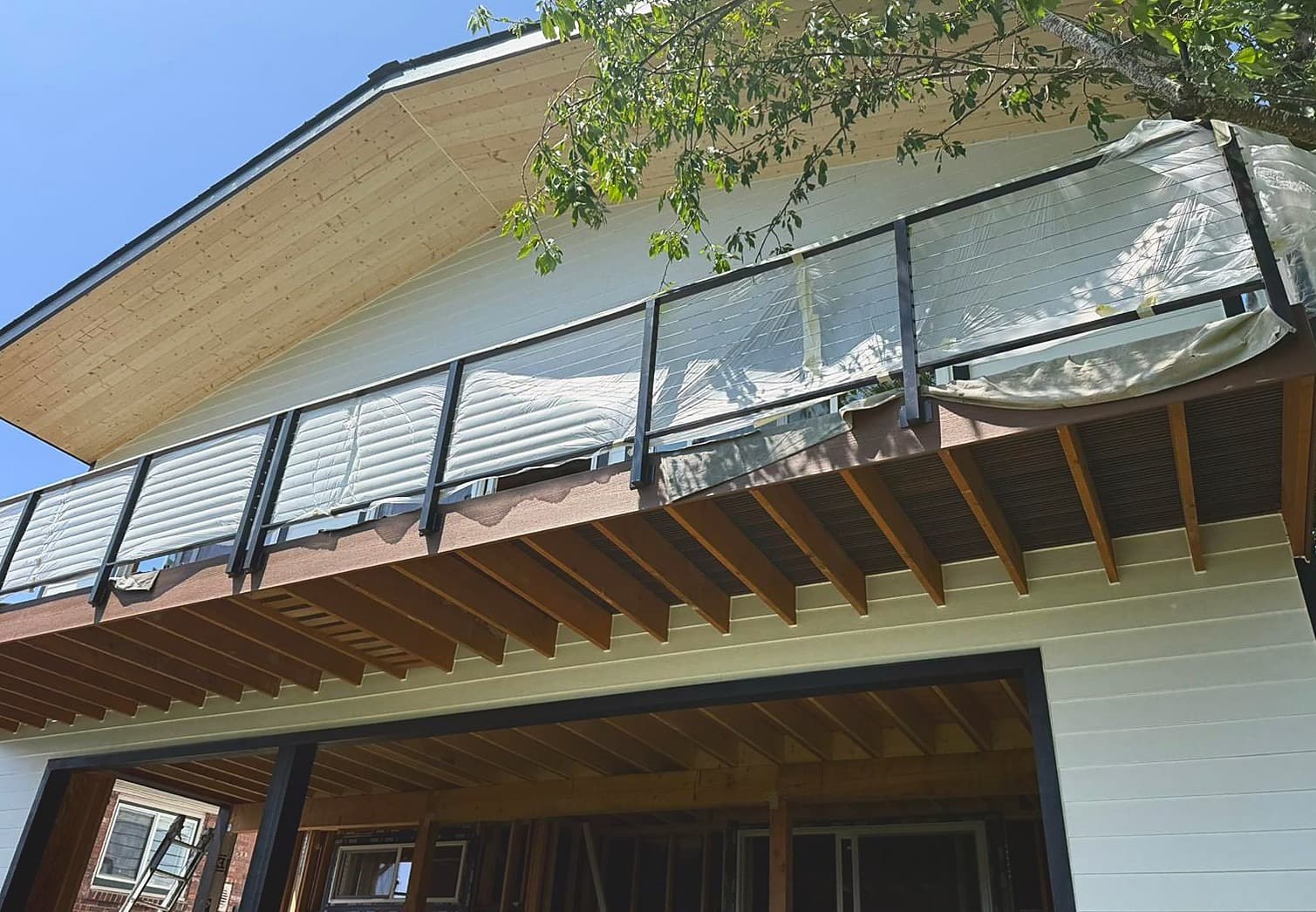
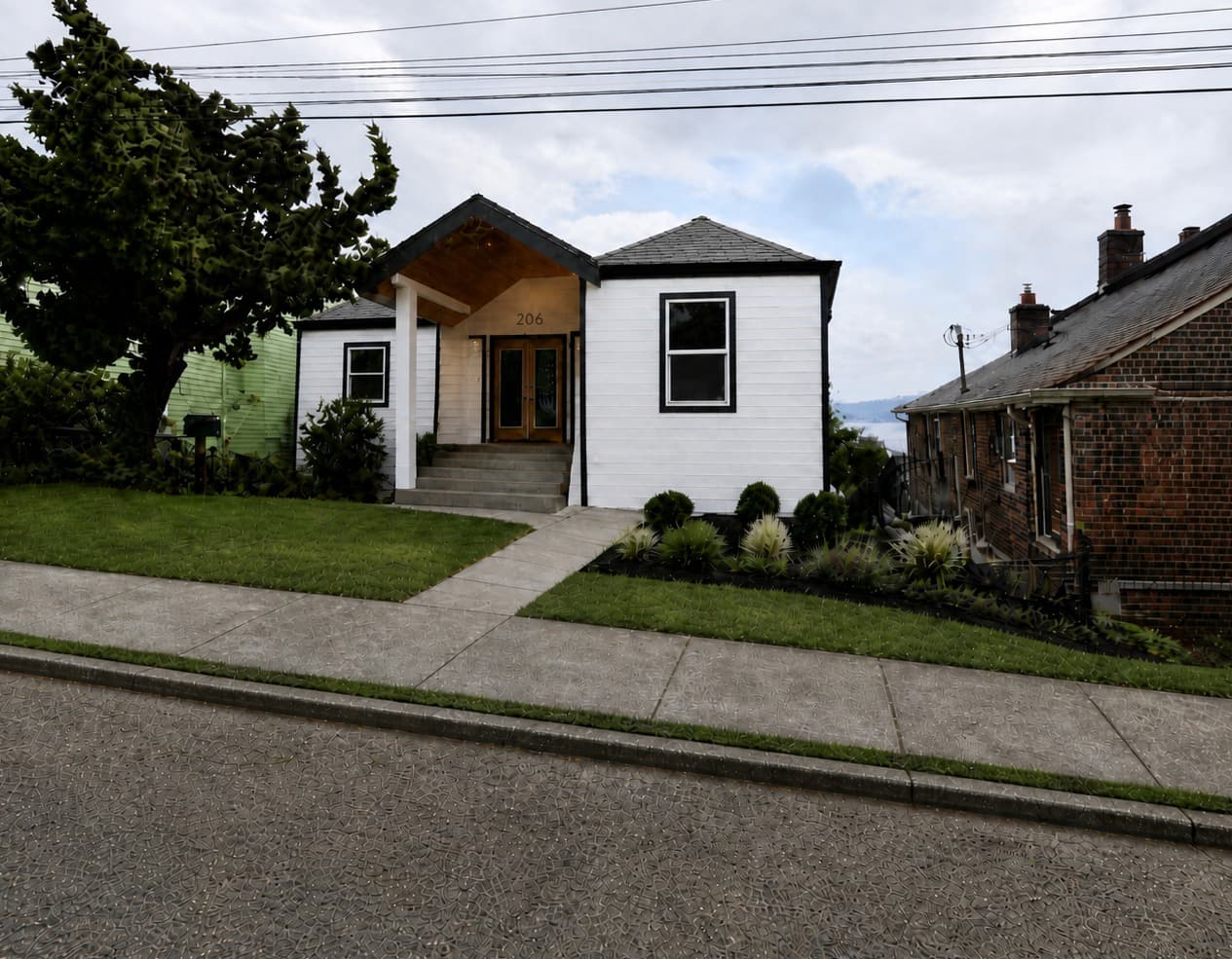
Infill new construction is building a new home on a previously undeveloped urban lot, or on a parcel created by subdividing a larger lot. The opposite of greenfield development at the suburban edge. Infill projects share access roads, utilities, and infrastructure with the neighborhood already in place.
The work involves careful zoning interpretation (each Seattle and Eastside city has overlay zones that apply only inside specific boundaries), attention to neighbor impact (drainage, sightlines, tree retention), and city-specific code knowledge that comes only from doing the work. We have cleared infill permits across all eight Seattle-and-Eastside cities we serve.
Three flavors of infill construction.
Single home on vacant lot
The simplest path. A lot you own (or are buying) with no existing structure. Standard zoning analysis, standard new-build process. Common in Seattle's Magnolia, Green Lake, and Wedgwood.
Subdivision into multiple parcels
A larger lot that qualifies for short plat under city rules. We coordinate the survey, civil engineering, platting submittal, and new-build permits on each resulting parcel. Adds 4 to 8 months to overall timeline.
Middle-housing build under HB 1110
Duplex, triplex, or fourplex on a lot that previously allowed only single-family. The 2023 state law that's still rolling out across cities. See the middle-housing explainer for full picture.
Adjacent Paths
Where infill meets the rest of the new-construction service.
Frequently Asked
Infill construction questions Seattle homeowners ask.
Six practical answers from a builder who runs infill projects across the Eastside. If yours is not here, call us.
Still have questions?
We answer the phone Monday through Saturday. Two minutes on the call usually gets you further than an hour online.
Infill new construction is building a new home on a previously vacant urban lot or on a subdivided parcel inside an established neighborhood. The opposite of greenfield development. Infill projects share access roads, utilities, and infrastructure with existing neighbors. The work involves more careful zoning interpretation, more attention to neighbor impact (drainage, sightlines, tree retention), and more city-specific code knowledge than greenfield.
Sometimes. Some lots qualify for short-plat subdivision under city rules, especially in Seattle's Lowrise zones and Eastside cities with active middle-housing implementation. The math depends on lot size, zoning, road frontage, utility access, and HB 1110 application. We coordinate the survey, civil engineering, platting submittal, and new-build permits if your lot qualifies. We also tell you in writing if it doesn't.
Plan on 14 to 20 months for a single new home on a vacant lot. Add 4 to 8 months if subdivision/short plat is part of the project. The plat work happens in parallel with design where possible, but city plat review can extend the timeline. Aharon's pace on construction is faster than the regional average; the long pole is permits and (when relevant) plat approval.
Same building code, different zoning rules in some cases. Seattle has neighborhood overlays (urban village, design review, landmark district) that apply only inside specific boundaries. Bellevue, Kirkland, Redmond, and Mercer Island have similar overlay zones. Infill builds need to navigate the overlay codes specific to the lot. We do this work as part of the zoning analysis.
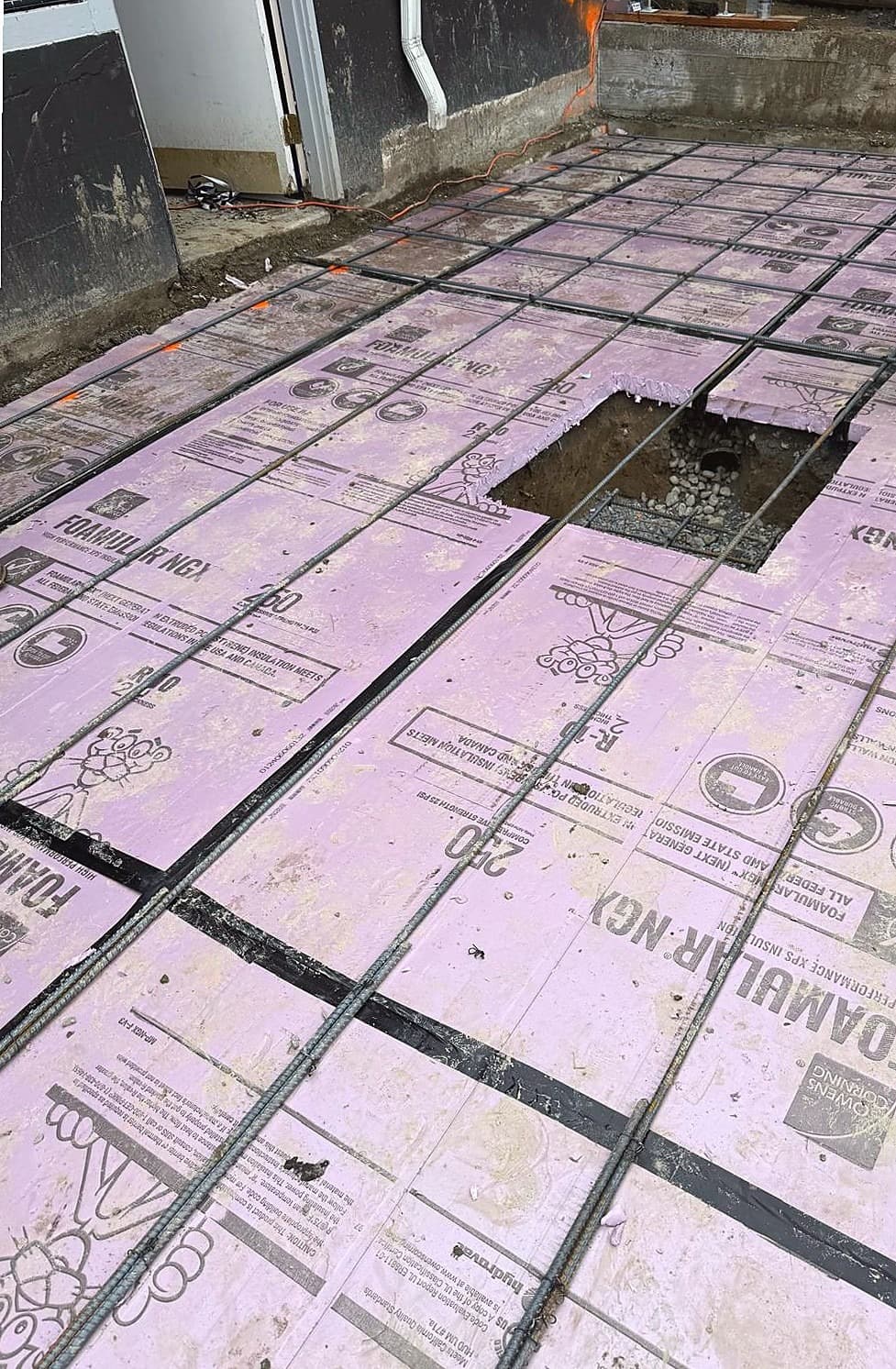
Vacant lots often have sewer stubs and water taps from earlier development, but those connections may be undersized or in the wrong location for a modern home. We engineer the utility scope during design: confirming or replacing existing connections, sizing electrical service, and coordinating with city engineering. New connections from the street can add meaningful cost depending on distance and trenching.
Yes. HB 1110 (the 2023 middle-housing law) opens infill to duplex, triplex, and fourplex builds in many Seattle and Eastside zones that previously allowed only single-family homes. The economics often favor middle-housing on infill lots because the per-unit cost drops while density stays neighborhood-compatible. Read our middle-housing explainer for the law-specific picture.
Start Your Build
Tell us about your project.
Contact information
Thank you for considering MNBE for your project. We'll get back to you during normal business hours, Monday through Saturday.